
Deep-Sea Fishing in Samaná: What You Can Catch and When
Why the fishing here is good
The seabed falls away steeply not far off the coast of Las Galeras, so the deep water that pelagic species patrol is close to shore. On many Caribbean charters a significant part of the day is spent simply travelling out to the fishing grounds; here the run is short. That means more time with lines in the water on a half-day trip, and it makes the whole thing far more forgiving for anyone who is unsure how their stomach will handle open ocean.
What you can catch, and when
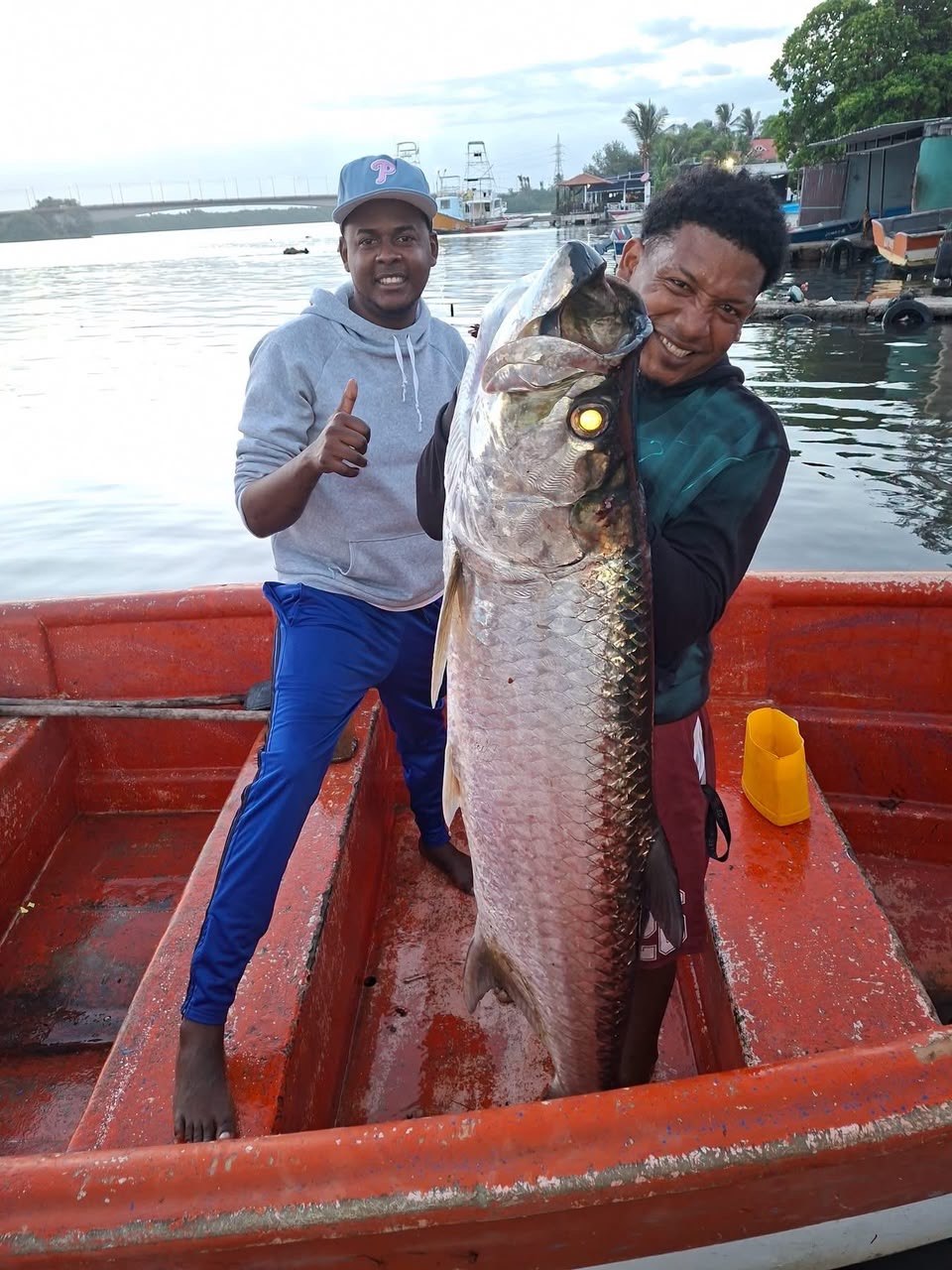
Mahi-mahi — dorado — is the species most visitors hook, and the cooler months from roughly November through March tend to be strongest for them. Wahoo and various tunas show through much of the year. Blue and white marlin are the prize, more likely in the warmer months, and are usually released. Closer in and around the river mouths, tarpon and barracuda are possible. Fishing is fishing, though: conditions, bait and luck all have a vote, and any captain who guarantees a specific fish on a specific day is selling you something.
How a trip runs
Trips leave early, because the water is calmest in the morning and the fish are more active. Rods, reels, tackle and bait are provided, and the crew rigs and sets the lines. Most of the day is trolling — lures running behind the moving boat — with the crew watching the spread and calling it when a reel starts screaming. If you have never fought a fish before, someone will talk you through it in the moment: how to keep the rod up, when to reel and when to let it run. Half-day and full-day options both exist; a half day is plenty for a first attempt.
First time out? A few honest tips
If you are at all prone to seasickness, take something the night before and again in the morning — once it starts, it is too late. Eat a light breakfast rather than nothing at all. Watch the horizon instead of your phone. Bring a hat, polarised sunglasses, sunscreen and a light long-sleeved layer; the sun on open water is stronger than it feels with the breeze. Soft-soled shoes or bare feet are better than sandals on a wet deck. And keep your camera on a strap.
What happens to your catch
Edible species you land are yours. A common and very good arrangement is to take your fish to one of the local restaurants in the village and have them cook it for you the same day — mahi-mahi that was in the ocean at breakfast, on your plate by evening, is hard to beat. The crew will clean and fillet for you. Billfish such as marlin are released as a matter of course, and we fish with the local rules and the health of the stock in mind rather than filling a cooler for its own sake.
Frequently asked questions
Do I need fishing experience?
No. The crew rigs everything and coaches you through your first fish. Complete beginners come out regularly and do fine.
Is equipment included?
Yes — rods, reels, tackle and bait are all provided. Bring sun protection, a hat and sunglasses, and any seasickness medication you might want.
Can I keep the fish I catch?
Edible species, yes. Many guests take their catch to a local restaurant to be cooked the same evening. Billfish such as marlin are released.
Book a Fishing Trip