
Buceo y Snorkel en Las Galeras: Sitios, Temporadas y Vida Marina
Cómo es realmente el buceo aquí
Esto no es buceo de arrecife plano. La costa alrededor de Las Galeras y hacia Cabo Cabrón es rocosa y escarpada, y eso continúa bajo el agua: campos de rocas, paredes, cañones y pasadizos, con coral y esponjas creciendo sobre la estructura en lugar de formar un arrecife continuo. Ese terreno es lo que lo hace interesante: hay topografía que explorar, no solo un jardín sobre el que dejarse llevar. Los sitios están a poca distancia en bote de la bahía, así que los intervalos en superficie se pasan cerca de la costa y no a una hora mar adentro.
Qué puedes esperar ver
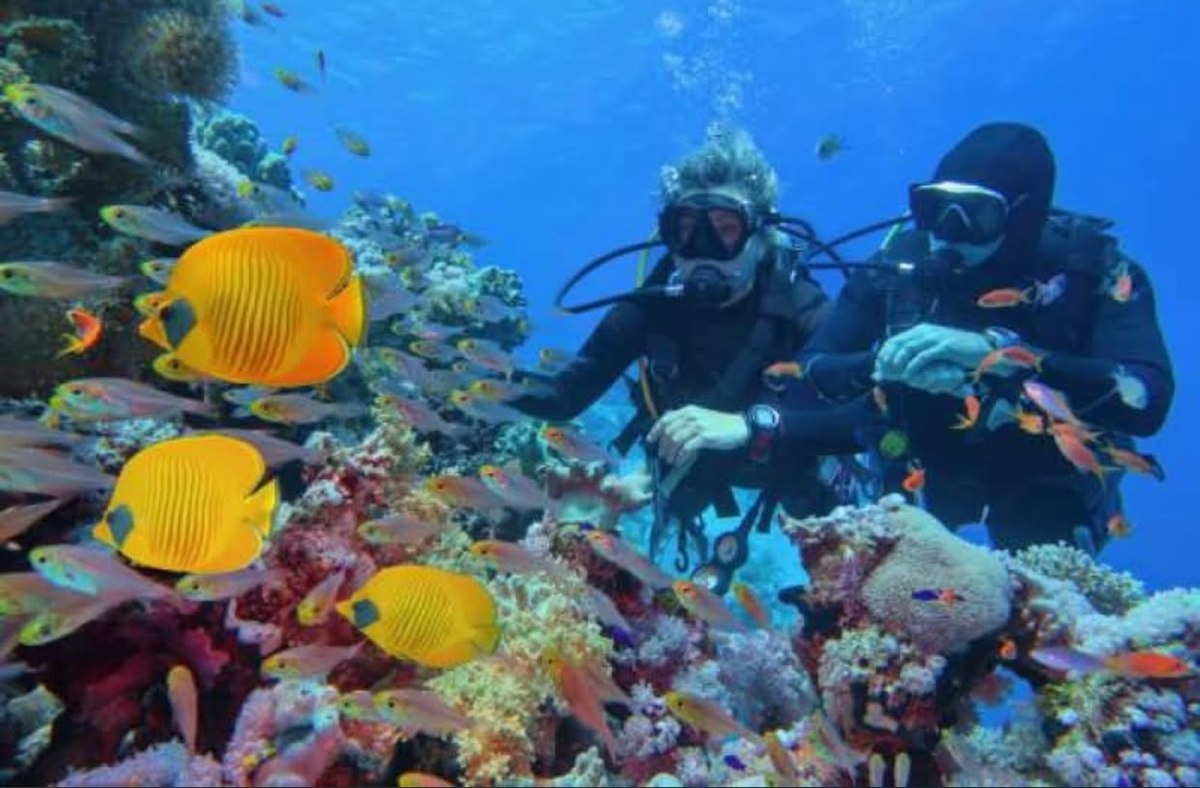
Los peces de arrecife son la compañía diaria: loros, ángeles, mariposa, doncellas y roncos trabajando las rocas, con morenas metidas en las grietas y antenas de langosta asomando bajo los salientes. Las rayas cruzan los parches de arena, y las tortugas aparecen con suficiente frecuencia como para que la gente deje de sorprenderse. Peces pelágicos más grandes pasan a lo largo de la caída. Nada de esto está garantizado en una inmersión concreta —así es esto—, pero la variedad a lo largo de varias inmersiones es buena, y la estructura hace que siempre estés mirando hacia dentro de algo en lugar de sobre fondo abierto.
Escuchar ballenas bajo el agua
De mediados de enero a finales de marzo las jorobadas están en la bahía, y su canto viaja muy lejos por el agua. Los buzos que se sumergen en la zona durante esos meses lo escuchan con bastante frecuencia: un sonido grave y estructurado que parece venir de todas partes a la vez y no de una dirección concreta. Es muy improbable que veas una ballena en una inmersión, y ningún operador responsable te llevará a buscarla; el encuentro es acústico, y es una de las cosas más extraordinarias de bucear aquí en temporada.
Snorkel si no buceas
No necesitas certificación para ver lo bueno. Varias calas resguardadas de esta costa tienen roca y coral cerca de la superficie, y en una mañana tranquila la visibilidad de cerca es realmente buena. Las paradas de snorkel están integradas en muchas de las salidas en bote y a las playas, así que puedes combinarla con un día fuera en lugar de reservar una excursión aparte. Trae tu propia máscara si tienes: una máscara que ajuste bien a tu cara es la mayor diferencia entre disfrutar el snorkel y pasarte el rato vaciándola de agua.
Condiciones, certificación y seguridad
Las condiciones cambian con la temporada y con el día. Los meses de invierno pueden traer más oleaje en los sitios expuestos al norte, mientras que los puntos resguardados siguen buceables; el verano suele ser más tranquilo. La visibilidad normalmente es buena y baja después de lluvias fuertes. Para bucear con botella necesitas una certificación vigente, y si llevas tiempo sin sumergirte, dilo: un repaso es más fácil que descubrir el problema en profundidad. Si no estás certificado, la vía habitual es un bautismo supervisado. Deja al menos un día entre tu última inmersión y el vuelo de regreso.
Preguntas frecuentes
¿Necesito certificación de buceo?
Para bucear con botella, sí, una certificación vigente. Si no estás certificado, la vía habitual es un bautismo supervisado, y el snorkel no requiere ninguna titulación.
¿De verdad se escuchan las ballenas buceando?
En temporada, con frecuencia sí. El canto de las jorobadas viaja mucho bajo el agua. Es improbable verlas, y ningún operador responsable va a buscarlas: el encuentro es acústico.
¿Cuál es la mejor época para bucear en Las Galeras?
Se bucea todo el año. Los meses de verano suelen ser más tranquilos; el invierno puede traer oleaje a los sitios expuestos, aunque los resguardados siguen buceables. La visibilidad baja tras lluvias fuertes.
Reservar una Salida de Buceo o Snorkel