
Whale Watching Season: Your Guide to Samaná's Greatest Spectacle
The Magic Migration
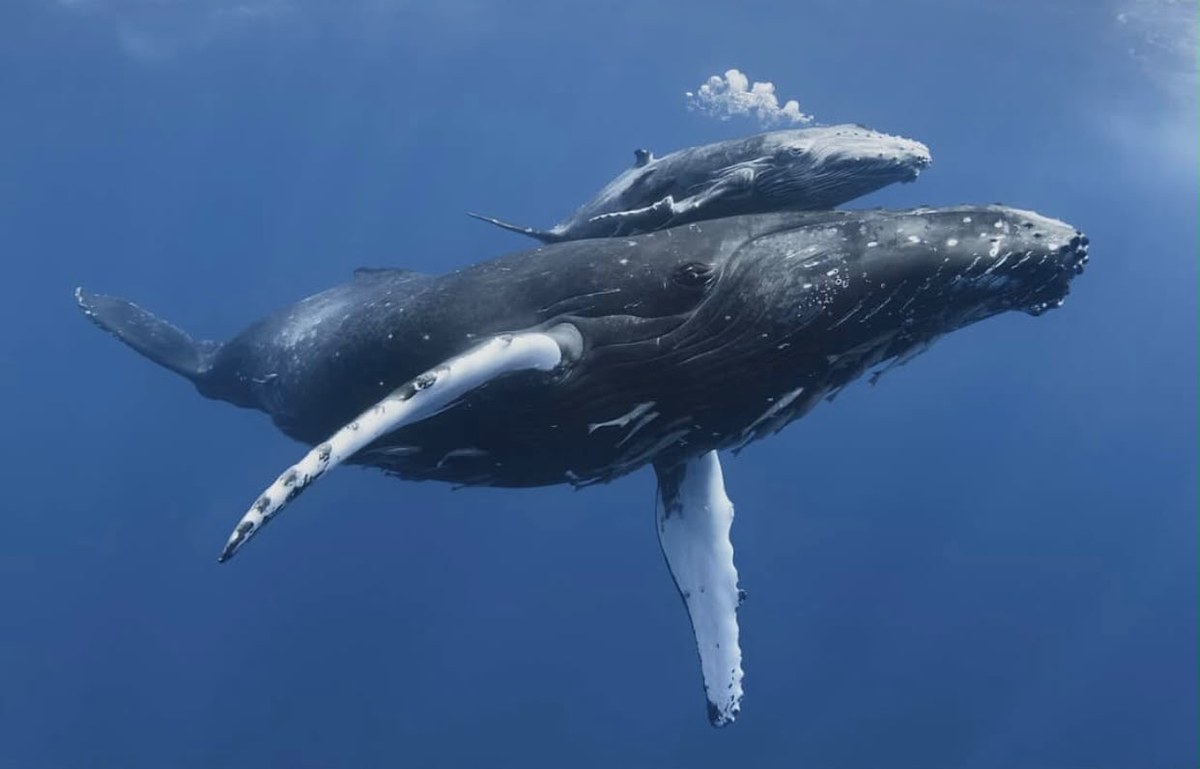
Every winter, between mid-January and late March, one of nature's most spectacular events unfolds in Samaná Bay. Thousands of humpback whales — some weighing as much as 40 tons — migrate over 4,500 miles from the Arctic waters of Greenland and Iceland to the warm Caribbean. They come to breed and give birth in the protected waters of the bay, making this region one of the world's premier whale watching destinations.
Why Samaná Bay?
The bay's unique geography makes it perfect for whale activity. The shallow waters, averaging 80 feet deep, provide an ideal breeding ground. The whales' playful behavior here is legendary — breaches, tail slaps, spy hops, and pectoral fin waves are common sights. Mother whales teach their calves to jump and play, creating unforgettable moments for observers.
Best Times to Go
While the season runs from January 15 to March 31, peak activity is February and early March. During this window, you'll have the highest chances of encountering multiple whales. Early January and late March can still be rewarding, but with fewer sightings. February weather is also ideal — warm, clear days with calm seas.
What to Expect
Tours typically last 3-4 hours and depart in the morning for the best conditions. You'll board a comfortable boat with experienced naturalist guides who know exactly where the whales are congregating. Expect to see mothers with calves, males competing for breeding rights, and all the dramatic behaviors whales are famous for. Bring sunscreen, a camera, and a sense of wonder — you're witnessing one of Earth's greatest migrations.
What the whales are actually doing
Once you know what you are looking at, the behaviour becomes far more interesting than a distant splash. A breach is the full-body leap everyone hopes for. Spy-hopping is the whale holding itself vertically with its head above water, apparently taking a look around. Tail slaps and pectoral fin slaps are thought to be communication, and you hear them long before you register the movement. Males also sing — long, structured songs repeated for hours — and on a quiet boat with the engine off you can sometimes feel the low notes through the hull. Mothers spend much of this season resting in shallow water while calves practise the movements they will need for the migration north.
The rules that protect them
Samaná Bay is a protected marine mammal sanctuary, and whale watching here is regulated rather than free-for-all. Boats must hold a licence, only a limited number are allowed near a group of whales at one time, and there are minimum approach distances that captains are required to keep. Engines come down or off when whales are close. This is why a good trip sometimes involves waiting rather than chasing — the whales decide how near they come, not the boat. It is also why you should be wary of an unusually cheap trip: the corners being cut are the ones that protect the animals.
Practical tips for the day
Take seasickness medication the night before and again in the morning if you are at all susceptible — the bay is calm by ocean standards, but three hours is long enough to matter. Dress in layers: the morning wind on the water is cooler than the beach suggests, and you will want the extra layer off by mid-morning. For photographs, keep your shutter fast and stay zoomed wider than instinct tells you, because whales surface where you are not pointing. Most of all, watch with your eyes for a while before you reach for the phone. The moments people describe years later are rarely the ones they photographed.
Frequently asked questions
Are whale sightings guaranteed?
During the season sightings are very common, but these are wild animals in open water and no honest operator guarantees them. February and early March offer the highest chance.
How long does a whale watching trip last?
Usually three to four hours in total, including the time to reach the area where the whales are gathering and the return.
Can children go whale watching?
Yes, and many do. It is a longer trip on open water, so tell us their ages when you book and take seasickness precautions for younger children.
Book Whale Watching Tour